Hiring a Chief Revenue Officer (CRO) is a huge moment for any SaaS company, yet it’s often misunderstood. Founders and CEOs expect the world. CROs expect to hit the ground running. But all too often, misalignment of goals and expectations derails what could have been a great partnership.
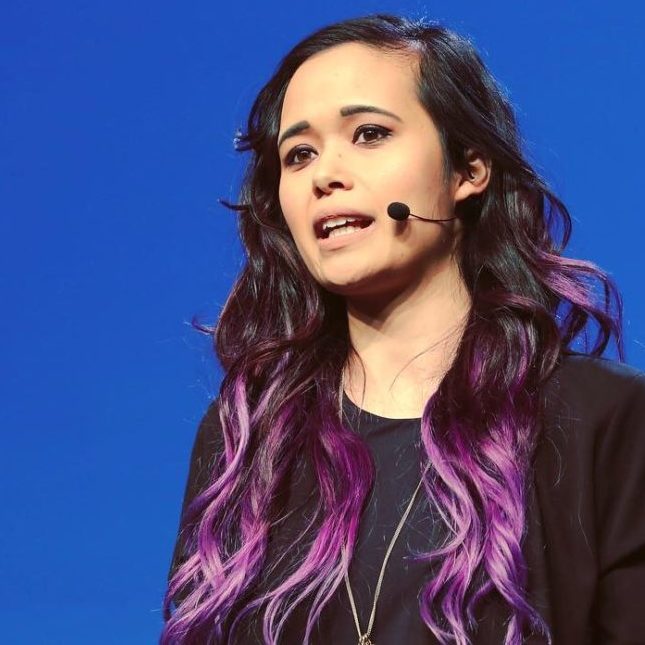
In our recent Workshop Wednesday, SaaStr CEO and Founder Jason Lemkin sat down with Kathy Lord, CRO of Zensai (and formerly of Intacct), to talk about what CEOs and CROs should really expect from one another, especially in those critical first 90 days.
1. The CEO’s Dream vs. the CRO’s Reality
What CEOs/Founders Want:
- Sales, Revenue, and Growth. Whether you’re at $3M ARR trying to nail product-market fit or hitting $30M and pushing toward $100M, the #1 ask is to accelerate sales or revenue.
- Immediate Impact. Founders usually want revenue leadership to ramp quickly. They need a partner who can also support the larger strategic plan and remove “sales” from the top of their to-do list so they can spend more time on product, fundraising, or customers.
What CROs Can Really Deliver in the First 90 Days:
- Full Business and Market Assessment. A good CRO will dive deep into product-market fit, pipeline, forecasts, and existing deals. They’ll also assess the team, processes, systems, and culture.
- Relationship Building (Internally and Externally). This means meeting with customers, partners, and prospects—first-hand insights you simply can’t get from transcripts or secondhand conversations.
- A Concrete Action Plan. Expect a prioritized plan that addresses the “Four Swim Lanes”: people, processes, systems, and culture—with clear next steps for at least the next three quarters.
“The best CROs don’t just audit or analyze,” Kathy explained, “they bring people together around a roadmap, what the company needs to accomplish in the next quarter, two quarters, and beyond.”

2. CRO vs. VP of Sales: What’s the Difference?
It’s tempting to throw a single title at revenue leadership, but CROs and VPs of Sales deliver different sets of value:
- VP of Sales: Primarily in the trenches, owning the sales process end-to-end. Their 90-day plan focuses on driving immediate pipeline and deal velocity.
- CRO: Owns the holistic revenue engine. That could include Sales, Customer Success, Partnerships, or sometimes Marketing. A CRO’s 90-day plan will be broader— reorganizing go-to-market strategy, standardizing processes, and laying out a multi-quarter scaling approach.
If your organization still lacks mature product-market fit or if you’re just getting going to $10M ARR, you might need a scrappy VP of Sales who thrives in building pipeline fast. However, if you’re in the $20M-$40M ARR range and pushing to $100M, you need a CRO who can create predictable, scalable processes.

3. The Three-Quarter Action Plan
Kathy walked us through her own 90-day approach at Zensai, now a $30M+ ARR company targeting $100M in the next two years:
- Consolidated Go-to-Market Strategy: They already had a well-defined ICP across specific countries and verticals, but the sales organization was still “one-size-fits-all.” So the first order of business was aligning the sales team by segment and region.
- Revenue Operating Model: A standardized “playbook” covering everything from prospecting cadences to deal inspection—so the entire global team speaks the same language.
- Multi-Quarter Action Plan: Kathy laid out a three-quarter roadmap, tackling both low-hanging fruit (quick revenue wins) and deeper operational shifts (creating better funnel analytics, adjusting comp plans, reorganizing the global team for efficiency).
This level of detailed planning fosters transparency, confidence, and accountability—within the sales org and cross-functionally.
4. Clarity, Alignment, and Empowerment
One recurring theme in Kathy’s session was the disconnect between what the CEO “thinks” they’re asking for and what the CRO “thinks” they can deliver. To avoid turnover, focus on three big areas:

- Clarity
- Clearly Define Where You Are Today vs. Tomorrow. Are you still searching for solid product-market fit, or do you need to scale the engine you’ve already got?
- Pattern Recognition Matters. Someone who’s successfully taken a company from $30M to $100M will already know where the biggest pitfalls are.
- Align on the Number. Spend the time up front (even pre-offer) to dive into the assumptions behind your ARR or revenue targets. “We’re growing 15% today, we need 20%. Let’s unpack how to get that extra 5%,” etc.

- Alignment
- Cross-Functional Buy-In. Make sure Product, Marketing, Finance, Operations—all understand what the new CRO is chartered to do. There will be friction points, especially if you plan to expand segments, hire new types of sales reps, or deploy new systems.
- A Real 90-Day (and Beyond) Plan. Avoid “fake” or “aspirational” 90-day plans. Instead, create a multi-quarter roadmap. What exact changes will happen, and in what order?
- Stay in Sales…But Differently. Founders can’t vanish from the sales cycle. The best CEOs remain involved 10–20% of their time, especially on strategic or executive-level deals.
- Empowerment
- No Sacred Cows. If you want real transformation, you can’t insist on keeping legacy people, processes, or tools that no longer fit.
- Don’t Bottleneck the CRO. Let your CRO own decisions on organizational structure, compensation, and even tough calls on longtime team members.
- Fail Fast, Learn Faster. Missteps happen when you’re moving quickly. What matters is adjusting rapidly, minimizing damage, and staying on track.


5. Handling the “Topping” Conversation
What if you already have a solid VP of Sales but know you need a CRO’s experience to reach the next level?
- Be Transparent Early. Many scale-ups outgrow their first VP of Sales; it’s part of the journey. Offer them a chance to learn from an incoming CRO—an opportunity to level up their skill set.
- Involve Them, Carefully. They should be part of the interview process, but rarely the primary driver. Their perspective is valuable (cultural fit, product nuances) but they might lean toward “less threatening” hires if they feel insecure.
- Plan for Their Growth. Some VPs successfully ride out the entire journey if they continually reinvent themselves. Others eventually find a new role that suits their strengths.